
Introduction: Tech Stocks and AI Investment Concerns
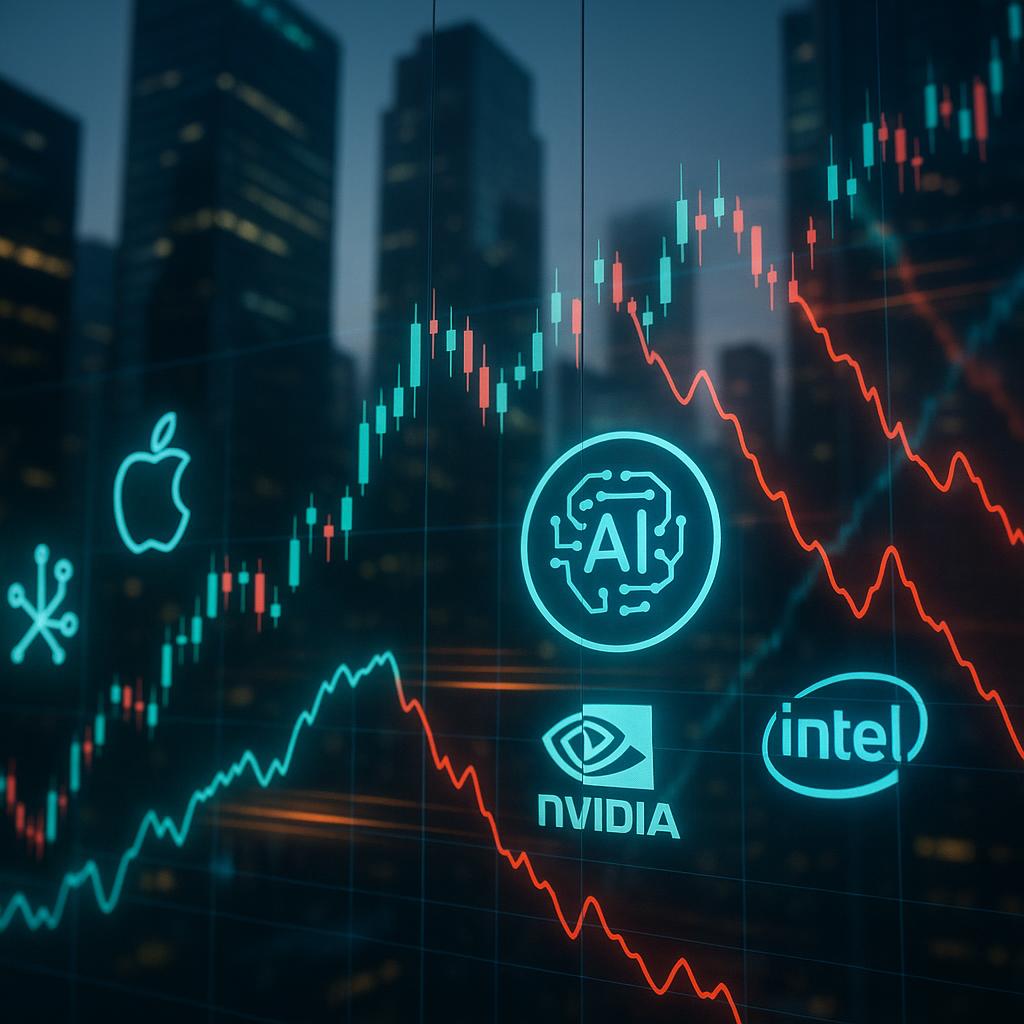
Tech stocks have experienced a significant decline as investors grow increasingly doubtful about sustained spending on artificial intelligence (AI). Despite AI’s promise as a major growth driver, recent market movements suggest hesitancy regarding how aggressively companies will continue to invest in AI technologies. This shift has profound implications for the tech sector and the future of AI innovation.
Why AI Spending Doubts Are Impacting Tech Stocks
The optimism that powered tech stocks earlier this year hinged largely on expectations of robust AI spending. Now, conflicting signals from corporations about budget allocations and return on investment have triggered market uncertainty. Many companies face pressures to balance innovation with cost control amid broader economic challenges, leading to more cautious AI investments.
Key factors contributing to the skepticism include:
- Uncertain timelines for AI-driven profitability
- Rising operational costs and budget tightening
- Mixed results from early AI projects
- Regulatory concerns about AI deployment
Market Impact and Sector Comparison
The tech sector’s downturn contrasts with more stable performances in traditional industries. For example, energy and consumer staples have demonstrated steadier growth during the same period, reflecting their less speculative investment profiles. Investors appear less willing to bear the risks associated with the evolving AI landscape, causing a sell-off in AI-centric stocks.
Comparison of sector performance highlights:
- Tech Stocks: Decline amid AI spending doubts and innovation uncertainty
- Energy Sector: Moderate growth due to steady demand and commodity prices
- Consumer Staples: Stable returns driven by consistent consumer needs
Long-Term Outlook for AI and Tech Investment
Despite the current volatility, AI remains a strategic priority for many tech companies. Industry analysts predict that AI spending will eventually rebound, driven by advancements in machine learning, automation, and data analytics. Companies that manage to optimize their AI investments for tangible business outcomes are likely to regain investor confidence.
Steps tech companies can take to strengthen AI investment outcomes:
- Prioritize high-impact AI projects with clear ROI metrics
- Integrate AI solutions across core business functions
- Enhance transparency and reporting on AI initiatives
- Invest in talent development to support AI innovation
- Collaborate with regulators to address ethical concerns
Conclusion: Navigating Uncertainty in AI-Driven Markets
The recent drop in tech stocks amid doubts about AI spending underscores the complexity of integrating cutting-edge technologies into profitable business models. While short-term investor sentiment may remain cautious, the long-term potential of AI as a transformative force in technology and business remains intact. Companies that strategically align AI investments with measurable outcomes and maintain open communication with stakeholders are best positioned to thrive as the market stabilizes.

















Yes. This is true